
The Link Between Great Dental Care and Your Health
For many people, dental health is something they think of as disconnected from their overall wellness. A trip to the dentist helps keep your mouth and gums healthy, and a trip to the doctor takes care of everything else. But it turns out that your dentist has a lot to do with your doctor, and mounting research suggests the two are deeply intertwined. Your mouth is the window to the rest of your body, and what’s going on inside can have serious consequences for your systemic health.
In this article, we’ll look at why great dental care is so important to your overall health. We’ll explore how oral health conditions contribute to serious diseases like heart disease and diabetes, and talk about preventive care and some steps you can take to improve your day-to-day habits. By the end, you’ll have a better understanding of why the two are linked and how you can take a more holistic approach to your wellness.
Your Mouth is The Window to Your Health

Best dental care Salt Lake City
Your mouth is home to trillions of bacteria, most of them harmless. But like any complex ecosystem, the bacterial environment in your mouth needs to be in balance. When bad bacteria become too prolific, they can lead to tooth decay and gum disease. And if left unchecked, the infection can spread throughout your body, entering your bloodstream and causing inflammation elsewhere.
The good news is that your dentist can help more than just your teeth and gums. In fact, dentists are often the first to pick up on symptoms that point to more serious conditions. A routine exam can include early warning signs of systemic diseases that manifest in the mouth. Pale gums, for instance, can signal anemia, while bone loss in the jaw could be an early warning for osteoporosis. This makes your annual check-up an important part of your healthcare routine.
Is Gum Disease Linked to Other Health Problems?
Periodontitis (gum disease) is an inflammatory disease. This long-term inflammation is the main risk to your overall health. It can contribute to the onset or progression of several serious health conditions through the inflammatory process that the body uses to fight off oral bacteria.
Heart Disease
Associations between periodontitis and cardiovascular health have been some of the most extensively researched oral-systemic links to date. Many studies show that the inflammation caused by gum disease can increase the risk of developing heart disease. Oral bacteria can travel through the bloodstream from infected gums to the arteries in the heart and contribute to the formation of plaque. The plaque on artery walls is known as atherosclerosis. This hardening of the arteries increases the risk of a heart attack.
Diabetes
The correlation between diabetes and gum disease is bidirectional. Those who have diabetes have a greater risk of developing infections such as gum disease. High blood sugar levels over time can weaken the body’s ability to battle bacterial infections. In addition, severe gum disease can make it more difficult for those with diabetes to control their blood sugar. This could be due to the body’s reaction to the inflammatory process of periodontitis. When there is a chronic state of inflammation due to gum disease, the body can become resistant to insulin. If this occurs, it can raise blood sugar levels, which can lead to more severe consequences for diabetics.
Other Health Issues
Bad oral health can also affect other parts of your body and increase your risk for:
- Respiratory infections: Harmful bacteria can travel from the mouth to the lungs and cause infections, such as pneumonia. This risk may be particularly high for people with weakened immune systems.
- Complications in pregnancy: Periodontitis during pregnancy may increase the risk of premature birth and low birth weight babies. Infection in the mouth can cause inflammation that has an effect on both the mother and developing fetus.
- Rheumatoid arthritis: There’s some evidence that the same bacteria that cause gum disease may worsen inflammation throughout the body, exacerbating rheumatoid arthritis.
Don’t take the health of your mouth for granted. Since good oral health can play such a big role in your overall well-being, prevention should be your top priority. This includes both taking care of your teeth and gums at home, as well as seeking regular professional dental care.
Preventive Dental Care Is Your Best Defense
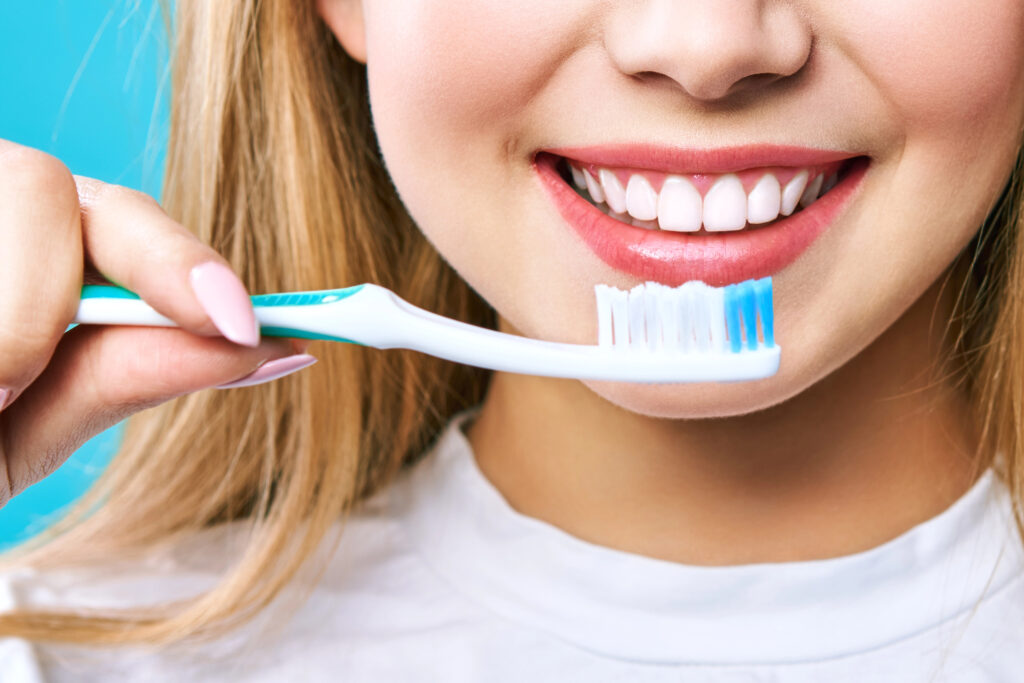
Preventative dental care
Given the significant impact oral health can have on your entire body, a proactive approach is essential. Preventive dental care is about more than just avoiding cavities; it’s about protecting your overall health. This involves a combination of at-home habits and regular professional care.
The Importance of Regular Check-ups
Regular check-ups and cleanings with your dentist are one of the best ways to prevent oral health problems. During these appointments, a hygienist will scrape away plaque and tartar (calculus) that brushing and flossing at home can’t remove. Your dentist will then check your teeth, gums, and mouth for any potential problems or early signs of disease. Detecting these problems early will make treatment easier, more effective, and less invasive.
Simple Tips for Better Oral Health (& Body)
Want to take better care of your mouth and body? Here are some simple things you can do today!
1. BRUSH LIKE A PRO
Brushing your teeth at least twice a day is essential to maintaining good oral health, but not all brushing is created equal. Use a soft-bristled toothbrush and fluoride toothpaste. Hold your brush at a 45-degree angle to your gums and use gentle, short strokes to brush all the surfaces of your teeth, both outside and inside as well as the chewing surfaces. Don’t forget to brush your tongue, too, to get rid of bacteria and bad breath.
2. FLOSS DAILY
Flossing helps dislodge plaque and food particles from between your teeth and below the gumline, where your toothbrush can’t reach. Struggling with string? Try using a floss pick, interdental brush, or water flosser instead. Whatever you do, clean between your teeth every day.
3. CHOOSE HEALTHY FOODS
What you eat can have a big impact on your mouth and teeth. The bacteria in your mouth thrive on the sugar in foods and drinks and produce acid that attacks the enamel on your teeth and causes cavities. Cut back on sugary snacks and drinks, soda, and foods high in starch. Focus on eating a healthy, balanced diet that includes plenty of fruits and vegetables, lean proteins, and dairy. Calcium-rich foods, such as milk and cheese, can help strengthen your teeth.
4. Don’t disregard warning signs
Be alert to what your mouth is telling you. If you experience any of these issues, make an appointment with your dentist:
- Red, swollen, or tender gums
- Gums that bleed when you brush or floss
- Persistent bad breath
- Loose or sensitive teeth
- Pain when chewing
These are all early indicators of gum disease or other oral health conditions that can quickly become more serious.
Prioritize Your Smile for a Healthier You
The data is incontrovertible. Your oral health is strongly associated with your overall health. Caring for your teeth and gums is one of the most important things you can do to care for your body. By establishing a daily oral hygiene regimen, eating a nutritious diet, and going to the dentist regularly, you will be taking three significant steps to reduce inflammation and disease throughout your body.
Don’t wait for a problem to occur. Make your next dental appointment today. Treat your dental care as an important aspect of your personal wellness plan and keep your smile healthy.
Ready to give your dental health the attention it deserves? If you’re looking for great dental care for your family, call Alpenglow Dental today! Our Salt Lake City dentist can provide a professional evaluation and give your whole family the quality care you’re looking for. Contact us today by calling one of our four Alpenglow locations or contact us online here. We look forward to hearing from you!
Saratoga Springs (801) 768-4600
Sandy (801) 561-8131
South Jordan (801) 878-1700
Salt Lake City (801) 883-9177
