
Ever drink some cold water or eat ice cream and feel that sharp pain shoot through your teeth? It can happen to anyone and can be very frustrating. Your teeth may become sensitive at any time even if you never had issues with them in the past. It’s normal to have some sensitivity but it could be a sign that something is going on with your teeth.
Sensitive teeth can be painful whether its when eating, drinking or brushing. At Alpenglow Dental we want to help you figure out why your teeth are becoming sensitive.
What Causes Sudden Tooth Sensitivity?
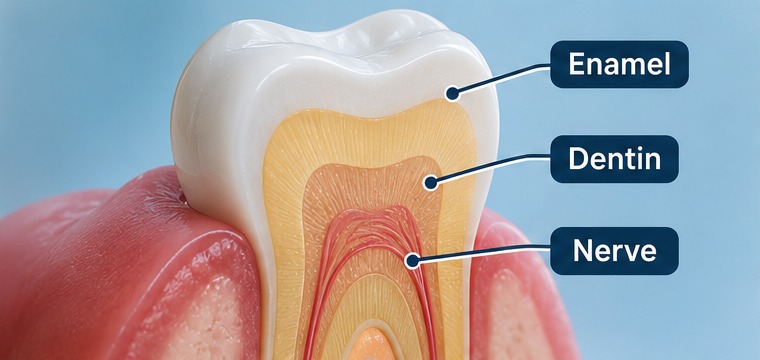
Your teeth have many layers that keep them healthy. On the outside of your teeth you have enamel. Underneath your enamel you have dentin. Dentin has small tubes that lead to your nerves. If your enamel starts to wear down or you have gum recession your teeth will become sensitive to cold, hot, sugar and acid.
There are many reasons why your teeth may become sensitive all of a sudden.
1. Worn or Damaged Tooth Enamel
Your enamel is the outer most layer of your teeth and can become worn down over time. If you brush too hard or use a toothbrush with stiff bristles you can cause your enamel to wear away. Also if you consume acidic foods and drinks this can break down your enamel.
Your teeth can become sensitive to cold once your enamel starts to thin. Make sure to find out what is causing your enamel to wear away and take steps to prevent it from wearing down further.
2. Receding Gums
Another reason your teeth may become sensitive is from gum recession. Your gums cover the root of your teeth and if they start to recede your teeth will become exposed.
There are many reasons why your gums may recede. If you have been brushing too hard or have gum disease your gums can start to pull away from your teeth. Once your gums recede your teeth will become sensitive to cold and sugar.
If you notice your teeth look longer than they did before make sure to see your dentist.
3. Cavities and Tooth Decay
If you have a cavity it does not always mean that you will have a tooth ache. One of the first signs of a cavity is when your teeth become sensitive to sugar or cold.
Once a cavity gets through your enamel your teeth will become more sensitive. Its best to get your cavity filled before it gets any bigger.
4. Teeth Grinding or Clenching
Are you waking up with a sore jaw or getting headaches? You may be grinding your teeth at night.
Grinding your teeth can put pressure on your teeth and cause them to become sensitive. Your dentist can provide you with a night guard to help prevent you from grinding your teeth.
5. Cracked or Chipped Teeth
If you have a cracked tooth you may feel sensitivity when biting down or drinking cold liquids.
There are many reasons why you can crack a tooth. Biting into hard objects or grinding your teeth can cause your teeth to crack. If you have pain in one tooth that wont go away see your dentist.
6. Recent Teeth Whitening
Did you recently whiten your teeth? Teeth whitening can cause your teeth to become sensitive. If you use too much whitening product or use it to often your teeth can become sensitive.
Some dental procedures can also cause your teeth to become sensitive. Fillings, crowns and cleanings can all cause some sensitivity.
If your teeth are extremely sensitive or the pain continues call your dentist.

Why Is Only One Tooth Suddenly Sensitive?
If only one of your teeth is sensitive there may be something wrong with that tooth. It could be from a cavity, cracked tooth or a broken filling.
Make sure to pay attention to when your tooth hurts. Do you feel pain when biting down? Only when you drink cold? Does the pain stay after you stop eating or drinking?
All of these questions will help your dentist figure out what is causing your tooth to become sensitive.
How Can You Treat Sensitive Teeth?
There are several ways to reduce tooth sensitivity. The best treatment depends on what’s causing your discomfort.
Use a Toothpaste For Sensitive Teeth
Desensitizing toothpaste can help reduce discomfort by blocking pain signals or sealing exposed pathways in the dentin. Consistent use may provide noticeable relief over time.
Use a Toothbrush With Soft Bristles
Brushing harder doesn’t mean you’re cleaning better. A soft-bristled toothbrush and gentle brushing technique help protect your enamel and gums while keeping your teeth clean.
Avoid Acidic Foods and Drinks
Soda, citrus fruits, sports drinks, and other acidic beverages can gradually weaken tooth enamel. Reducing how often you consume these products can help protect your teeth.
After consuming acidic foods or drinks, rinse your mouth with water and wait about 30 minutes before brushing.
Fluoride Treatments
Professional fluoride treatments can help strengthen enamel and reduce certain types of sensitivity. Your dentist may also recommend prescription-strength fluoride toothpaste for additional protection.
Fill Cavities & Repair Teeth
If your sensitivity is caused by a cavity, cracked tooth, or damaged filling, the tooth may need to be repaired. Depending on the problem, treatment could include a filling, dental bonding, crown, or another procedure.
For severe sensitivity involving the nerve inside the tooth, root canal treatment may sometimes be necessary.
When Should I See a Dentist for Sensitive Teeth?
Some tooth sensitivity improves with simple changes to your daily oral care routine. However, certain symptoms shouldn’t be ignored.
Schedule a dental appointment if you experience:
- Sensitivity that lasts longer than a week or two
- Sharp pain when biting or chewing
- Discomfort that keeps getting worse
- Sensitivity affecting only one tooth
- Pain that continues after hot or cold foods are removed
- Swollen, tender, or bleeding gums
- A visible crack, chip, or damaged filling
Severe or spontaneous tooth pain, facial swelling, or fever can indicate a more serious dental problem and should be evaluated promptly. Significant swelling accompanied by difficulty breathing or swallowing requires emergency medical care.
Can Tooth Sensitivity Go Away on Its Own?
Yes they can. If your teeth became sensitive from whitening or a dental procedure they may go away on their own.
If your teeth are sensitive from enamel wear, gum recession or cavities you will need to take further action. Your teeth may stop being sensitive for a short period of time but the issue will still be there.
Its best to find out why your teeth are sensitive and treat the problem.
Get Relief From Sensitive Teeth at Alpenglow Dental
You shouldn’t have to suffer from sensitive teeth. If you have been experiencing sudden tooth sensitivity call us today. Our dental team will be able to help you find out what is causing your teeth to be sensitive and provide you with treatment.
Call Alpenglow Dental today to schedule an appointment at one of our Utah dental offices.
South Jordan
3672 W South Jordan Pkwy Ste 104
(801) 878-1700
Sandy
7430 Creek Rd Ste 101
(801) 561-8131
Saratoga Springs
1528 N Commerce Dr. #202
(801) 768-4600
Salt Lake City
2150 South Main Street #104
(801) 883-9177
