Hearing that you need a root canal can feel intimidating, especially if you aren’t sure what the procedure involves. The good news is that root canal treatment is designed to relieve discomfort and help you keep your natural tooth.
If you are unsure of what to expect when getting a root canal here at Alpenglow Dental in Salt Lake City. Read on to find out more information.
What is a Root Canal?

Root canals are used when there is damage or infection within your tooth. Every tooth has an inner core called the pulp. This is what makes up the soft inner part of the tooth.
Once this tissue becomes irritated it will not repair itself. A root canal removes the damaged area and fills and seals the tooth. It allows us to fix the issue and save your natural tooth.
Why Might You Need a Root Canal?
If a tooth has become decayed to the point of damaging the pulp, had multiple work done on it, cracked or was injured it may require root canal therapy.
You may experience:
• Pain that lingers or becomes extremely painful
• When you bite down on a tooth it can be painful
• Tooth sensitivity to hot/cold that doesn’t go away
• Your gums can become swollen and/or tender
• Bump on the gums
• Darkened tooth
Your tooth may not give you any signs that it needs root canal therapy. By doing an exam and taking Xrays your dentist can tell you what may be going on.
What Happens During a Root Canal?
By learning what to expect at your appointment it may seem less scary. Every tooth will be different but here is what to expect during a root canal.
1. Examining the Tooth

Your dentist will examine your tooth and ask about any symptoms you have been experiencing. X rays will be taken to look at your roots and surrounding bone. This will allow your dentist to get a better idea of what needs to be done.
Your dentist will explain the findings and answer your questions before treatment begins.
2. Numbing the Area
Your dentist will anesthetize the tooth and surrounding area with a local anesthetic. They will check to ensure you are numb and comfortable before they proceed.
If you are anxious at any point during your procedure let your dentist know. They can reassure you and help ease your worries.
3. Keeping the Tooth Dry
Your dentist will use a small piece of paper around your tooth. This will help keep your tooth dry while they work.
4. Removing the Damaged Tissue
Your dentist will now open the top of the tooth to access the pulp chamber. Your dentist will then remove all of the infected/inflamed pulp from your tooth and roots.
5. Cleaning and Shaping the Canals
Your tooth will be cleaned and sterilized. Your dentist will use small tools to shape the canals in your tooth to be able to fill them.
6. Filling and Sealing the Tooth
Your tooth will be filled with a filling material and sealed. Your tooth will also receive a filling in the opening created earlier. This could be a temporary or permanent filling depending on your case.
Root canals can take 1 or many visits. This will depend on your tooth and the situation you are facing.
7. Restoring the Tooth
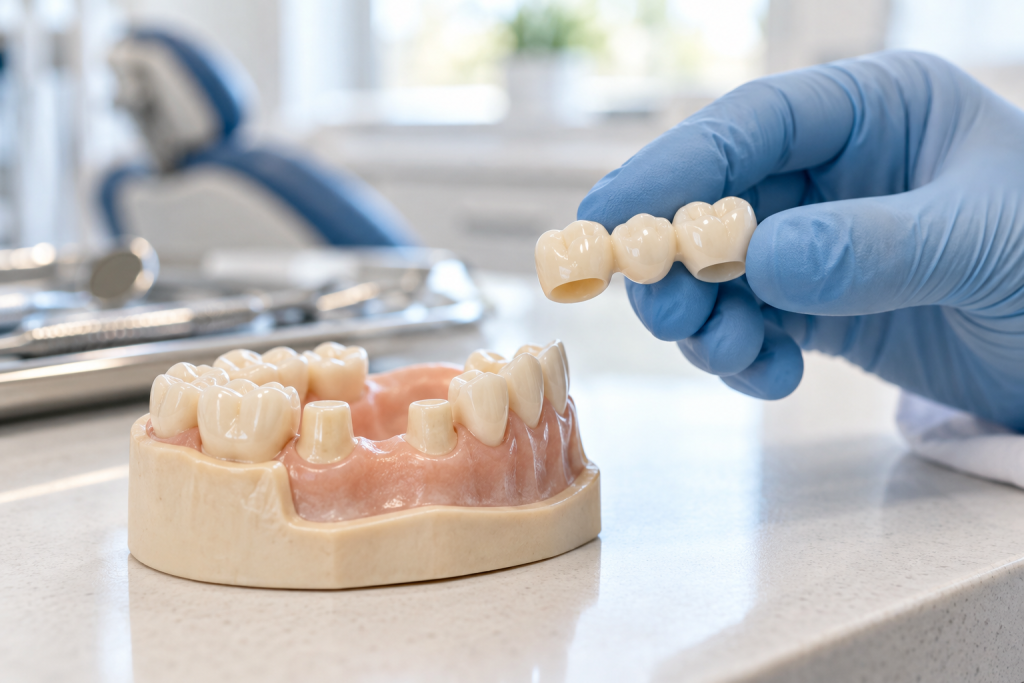
You will most likely need a crown or some type of permanent restoration placed on your tooth after a root canal. This goes for the majority of molars because they take more wear and tear from chewing.
Your dentist will tell you what type of restoration will be needed.
Does a Root Canal Hurt?
With local anesthesia they should not be too uncomfortable. You may feel some pressure during your appointment but no pain. Let your dentist know if you are feeling pain.
Most patients come in because their tooth has become sore from swelling or infection. Once treated your tooth should start to heal.
What Is Recovery Like After a Root Canal?

Your tooth and surrounding area will most likely be sore for a few days after your procedure. Your dentist will instruct you on what to take and may prescribe you an OTC pain medication.
As you recover:
– Wait until the numbness wears off before eating so you don’t accidentally bite your cheek or tongue.
– Follow your dentist’s instructions for eating and caring for the tooth.
– Avoid chewing hard foods or biting heavily on the treated tooth until your dentist says it’s ready.
– Continue brushing and flossing gently around the area.
– Schedule any recommended follow-up appointment for a permanent filling or crown. aae.org
Contact your dentist if you experience severe pain, visible swelling, symptoms that worsen, or a temporary filling or crown that comes loose. If swelling makes it difficult to breathe or swallow, seek emergency medical care immediately.
Can a Tooth That Has Had a Root Canal Last?
With proper treatment and restoration your tooth can last you for many years to come. How long will depend on the tooth and what restoration is placed on it. Along with maintaining your oral hygiene habits.
By brushing twice a day and flossing. And making sure you keep up with your dental visits you can maintain your tooth and smile.
Root Canal Treatment in Salt Lake City
If your having tooth pain or need to know if your tooth needs a root canal. Alpenglow Dental can help. We will examine your tooth and discuss what options you have. Feel free to ask us any questions.
Give Alpenglow Dental a call at (801) 883-9177 to find out more information about what our dental office in Salt Lake City can offer. We look forward to seeing you!