Yearly Archives: 2014

What Causes Sensitive Teeth?

Picture this: you were enjoying your ice cream when suddenly a shrieking painful sensation just flashed across your teeth. You stopped because the radiating discomfort was too much to bear for you at that moment. If you frequently experience this short, sharp pain in your teeth that is triggered by cold food items or beverages, you probably have tooth sensitivity. Are you wondering what causes sensitive teeth? Let’s check out the reasons why people develop this condition.

What-Causes-Sensitive-Teeth-pic

What Causes Sensitive Teeth

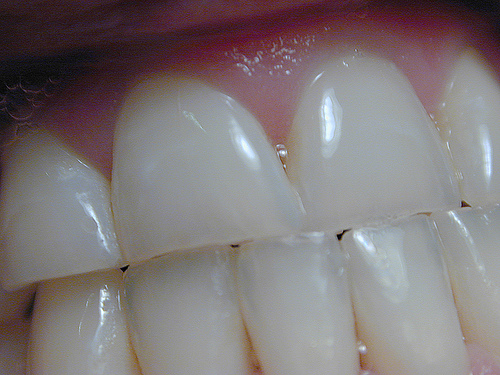
Tooth sensitivity is a dental condition characterized with sudden, radiating pain that sears across the teeth when the affected tooth is exposed to hot or cold beverages or food. In some cases, the discomfort can last for seconds or minutes, but in severe cases, it could go on for hours.

Do you know what to do for sensitive teeth? At Alpenglow Dental, they can help you deal with the bothersome discomfort brought about by tooth sensitivity. Their dental specialists provide truly personalized and genuinely compassionate care that’s focused on your needs. For long-lasting relief and comfort from tooth sensitivity, look to the friendly dentists at Alpenglow Dental. They’re ready to help you. Give them a call at [telephone call].

Common Causes of Tooth Sensitivity

Tooth sensitivity affects around 40 million Americans, particularly those between the ages of 20 and 40. Moreover, this dental condition is more common in women than in men. The common causes of tooth sensitivity include the following:

Wrong way of brushing the teeth

The way you brush your teeth plays a huge factor in developing tooth sensitivity. When done the wrong way, you can unintentionally erode the protective layer called enamel, which protects your teeth. In addition, vigorous brushing can cause receding gums. To minimize friction and strain on your teeth, use a soft-bristle toothbrush. And as you brush, maintain a 45-degree angle while using gentle strokes in a circular or up-and-down motion.

High acid content in beverages

Do you drink soda, coffee, tea, or citrus juices too often? Generally there is nothing wrong with drinking these beverages, but if you’re one of the many people who are suffering from tooth sensitivity, it’s a great idea to reduce your consumption. If you really want to partake in these beverages, just use a sipping straw. That way, the liquid won’t touch your teeth.

Gum disease

If you have inflamed or sore gums, you are prone to tooth sensitivity. This is because receding gums have exposed the vital sections of the tooth that hold the sensitive nerves and blood vessels. If left untreated, it could progress to a more serious condition.

Grinding of teeth

Do you grind your teeth when you sleep? Grinding or clenching your teeth can wear down the enamel and gradually expose the sensitive sections of your tooth. As a preventive measure, you can use a fluoride gel or toothpaste to fortify this protective layer of your teeth.

You don’t have to struggle with tooth sensitivity any longer. Get long-lasting relief from this dental condition at Alpenglow Dental. Call them today at (801) 878-1700.
Extreme Tooth Pain: How Do You Know If You Need A Root Canal?

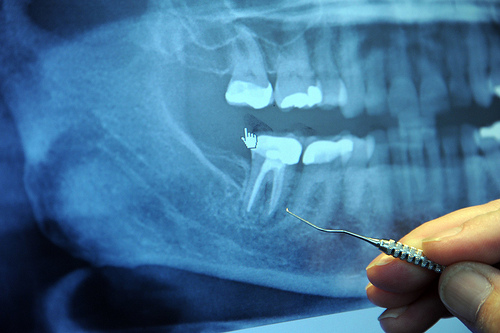
Are you suffering from extreme tooth pain? Is there swelling around the area of the affected tooth? Have you visited a dentist and was told that you have a root canal problem? You are one of the millions of Americans who are suffering from this dental disease. However, the good news is that your affected tooth can be treated and still be saved if you opt to undergo a root canal treatment. Also known as endodontic treatment, this procedure can alleviate pain and protect your tooth from further deterioration.

When you need exceptional dentistry care to help you with your root canal problem, you can depend on the reliable dentists at Alpenglow Dental for genuinely compassionate care and exceptional treatment. With their extensive skills and vast experience, it’s no wonder they have been recognized as one of the best Salt Lake City dentists.

To get a better understanding of how a root canal treatment works, let’s first take a look at the composition of the tooth.

Each one of our teeth is covered by the protective layers of dentin and enamel, which guards it from bacteria, infection, or damage. But beneath the hard exterior of our tooth lies a very sensitive and delicate part. This soft tissue area is known as the pulp. It is where the fragile nerves, blood vessels, and other vital connective tissues are positioned.

When the tooth’s protective cover is breached and bacteria gets through and penetrates into the pulp, it can cause infection or inflammation. In turn, this can result to tooth decay and damage. If left untreated, it can lead to pain, discomfort, swelling, or tooth loss.

Saving Your Tooth with Root Canal Treatment

The objective in an endodontic or root canal treatment is to carefully clean and disinfect the affected tooth. After the bacteria and debris are removed, the tooth is sealed with a rubber-like substance to protect the delicate pulp from further infection and damage. In most cases, a root canal treatment is usually completed in one or two appointments.

When correctly done, a root canal treatment can restore normalcy and efficacy in chewing or biting as well as protect the nearby teeth from getting infected. The pain, discomfort, and swelling is eliminated for a more comfortable dental functioning. Root canal treatment can also enhance the look and feel of one’s smile.

Getting a Root Canal Treatment

Are you struggling with severe tooth decay? Would you like to alleviate the extreme tooth pain and discomfort? Want to avert further, and possibly permanent, damage to your teeth? Would you like to improve its feel and function? Having a root canal procedure done is your best solution to protect your teeth from deterioration and restore your beautiful, healthy smile.

Wondering if you’re a good candidate for a root canal treatment? Speak with the friendly dentists at Alpenglow Dental and get an expert advice about your dental condition. These highly skilled and proficient dental specialists can help you with your root canal woes. They understand how difficult life can be for a person struggling with root canal problems.

Get the benefits of a top-notch, premier dentistry care from one of the leading Salt Lake City dentists. Come to Alpenglow Dental and experience truly compassionate treatment and exquisite smile care. Give them a call today at (801) 878-1700 to arrange your appointment.


How to Protect the Enamel on Your Teeth

Located at the center of each tooth is the pulp. This is a highly sensitive area since this contains the delicate nerves and vital blood vessels that supply the needed nutrients to the teeth and gums. The pulp is covered by the many layers of our tooth. If exposed, the pulp becomes susceptible to infection or damage, which can be very painful. Among the common symptoms of an infected or damaged pulp are visible injury, swelling, and extreme sensitivity of the gums and teeth to hot or cold. Thus, it is very important to protect the pulp. To do this, you need to fortify its primary defense against infection or injury, ie. protect the enamel on your teeth.

The pulp of your teeth becomes exposed when the teeth is broken or cracked or the enamel is breached. In most cases of cracked or broken teeth, it is difficult to determine the main cause of pain or discomfort because the symptoms come and go. When the crack extends into the highly sensitive areas, the affected tooth becomes susceptible to damage and infection. Accordingly, you may have to see professional dentists in Salt Lake City for your dental health needs. If not treated, it may result in the loss of the tooth. To avoid this, it is very important to protect the enamel on your teeth.

The enamel of your teeth is among the most durable substances in the body. Characterized as a hard, semi-clear protective layer, the enamel shields your teeth from the day-to-day damage resulting from biting, chewing, and similar other activities. The enamel is also responsible for protecting your teeth from the damaging effects of hot or cold food items or beverages. Yet despite being a hard exterior and a highly effective defense mechanism, your enamel will, over time, become susceptible to damage caused by acids, tartar, and bacteria in your mouth, among many other things.

As this protective shell gradually erodes, your teeth becomes increasingly prone to cavities or tooth decay as well as become highly sensitive to hot or cold. Here are a couple of simple, easy ways to protect the enamel on your teeth.

Food and drinks with high acidic content can slowly erode and wear away the protective layer of your teeth. Save your enamel from further wear and tear by simply cutting down on these highly acidic food items and beverages. These include soda, citric fruits and juices, coffee, tea, and the like.

Make it easy on your enamel and brush your teeth after every meal. This is particularly imperative if you’ve partook food or drinks high in acidic content. If brushing is not possible, rinse your mouth and gargle thoroughly. Chewing some gum can also help reduce the acid in your mouth.

If you can’t help it with your soda, coffee, or citric juices, use a drinking straw. That way, the acidic content will bypass your teeth. As much as possible, finish it up with milk to cancel out the acid.

Don’t forget to drink more water throughout your day. Water can help flush out the unwanted acids and bacteria.

With these simple habits, you can help keep your enamel intact and your teeth strong against the harmful elements that cause cavities or tooth decay. When you need help with dental health problems, look to one of the best and most reliable dentists in Utah County. Come to Alpenglow Dental and experience top-notch dentistry care with a personal touch. Get in touch with us at 801-878-1700.

Is flossing really that important? (Hint:Yes) Find out why

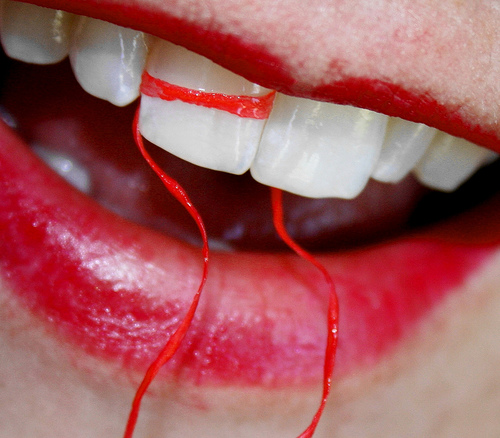
Is flossing necessary? Do you really need to floss? Only a few are well-informed on the need to floss regularly and why it is important. A visit to your dentist, he or she would recommend brushing your teeth at least twice a day. But what about flossing? Patients are recommended to floss once a day.

The question is: Why should you consider flossing when you’ve already brushed your teeth? Brushing can only do so much in keeping your mouth clean and healthy; however, flossing contributes to optimal mouth care and teeth cleaning.

A toothbrush is designed with soft bristles made to physically remove a sticky, bacteria-laden film called plaque on the sides of your teeth while toothpastes contain fluoride, which helps reduce bacteria in your mouth. But even with these tools combined, they can only clean your mouth up to a certain degree because the bristles of your brush can’t adequately clean in between the teeth. But with flossing, it does the trick.

Dental floss is a special oral hygiene tool designed to remove plaque in between the teeth and corners of your mouth where bristles find it hard to reach. For over-all, total health care, it is highly advisable to brush and floss daily.

While flossing plays a major role in good oral hygiene, it is also a more gentle way of cleaning the teeth since our teeth are positioned in the gums and jaw. The roots of each teeth are held firmly by the jaw, and the roots and bones are covered by the gums, which is composed of soft, sensitive tissues.  The space between gums and teeth are most delicate; it is where small bits of food get stuck. Overtime, plaque forms and hardens, becoming tartar, which is a thick, disgusting film that covers the surface of our teeth if we don’t observe proper oral hygiene and that dentists scrape out using special tools. Tartar may lead to gingivitis — red swollen and sometimes bleeding gums. If left untreated, these symptoms can lead to severe gum diseases such as periodontitis.

Without proper oral care, a person can develop tooth and gum diseases that go beyond discolored teeth, bad breath, bleeding gums. Bacteria in the mouth, if not properly addressed and eliminated, can cause other health problems like diabetes, heart ailments, and respiratory illness, which can affect your overall health in the long run. And did you know, according to research, heart disease is the leading cause of death in the U.S.? What’s more, about 25 million Americans have diabetes.

But the good news is all these can be avoided, whether it’s a simple tooth problem or a complicated gum disease. Prevention is the best key to optimal good health. Thus, it is highly important that you brush and floss regularly. Flossing only takes a few minutes a day. It’s a small, simple step that contributes to your long-term health; an easy price to pay for optimal oral health.

Fight bacteria and other oral concerns by finding a trusted oral physician. Alpenglow Dental houses highly skilled and professional Salt Lake dentists. Get in touch with us at (801) 878-1700 to achieve and maintain beautiful, healthy teeth!

A Competent Dentist in Sandy Sealing Holes in Your Teeth with Filling

Dental fillings are used to seal the gaps in your teeth to prevent further infection. However, some materials may work better than others, as an article over Health24 states:

“New findings by researchers from the SYSTEM Initiative based in Wits University’s Department of Community Dentistry/Faculty of Health Sciences indicate that there is no evidence that high viscosity glass-ionomers are inferior to silver amalgams.

This has challenged the supremacy of silver amalgams in dentistry and the widely held believe that these amalgams make better and more lasting tooth fillings than high viscosity glass-ionomers.

Experts have for decades spoken out against dentists’ choice to use of glass-ionomers instead of silver amalgam or composite resin materials for load bearing posterior tooth restorations. But their beliefs have been based on clinical evidence that, when closely examined, holds little scientific weight.”

Utahns, as anyone else, may need a bit more information about the filling materials that may work best for their teeth. The state has its own health program administered by the local Health Department offering support for many procedures. If you decide to push ahead with having your teeth sealed up with fillings but don’t know which material is optimal, an expert Sandy Dentist like Alpenglow Dental’s Dr. Brandon Woodward will work it through with you.

Aside from the above two, dental fillings also may comprise gold alloy and resin composite. Amalgam fillings have been previously certified by the Food and Drug Administration as safe for patients at least six years of age, despite having a small percentage of mercury mixed in with tin and copper.

High-viscosity glass ionomer fillings are used for load-bearing posterior cavities in permanent teeth. In determining the notability of glass ionomers vis-à-vis amalgam fillings, the researchers scoured for information from English and foreign-language databases around the world. The conclusion reached was that using glass ionomers do not need drilling for filling application, making it easier to retain existing filling material.

Plugging gaps in your teeth is essential to prevent further infection. A dentist from Sandy from the Alpenglow Dental crew, for instance, can make the procedure as safe and comfortable for you.

(Article Information and Image from Glass-ionomer fillings not inferior to amalgams, Health24, 9 January 2014)

See a Family Dentist in Salt Lake City Often to Avoid Tooth Decay

Most people know that our early ancestors suffered from tooth decay because they had yet to realize ways to preserve good oral health. Surprisingly, however, one of the main reasons why tooth decay was accelerated in those times was because of all the nuts they ate. An article from Smithsonian Magazine explains further:

“… As people grew more plants around 10,000 years ago, the thinking went, they ate more fermentable carbohydrates and created a favorable oral environment for Streptococcus mutans, a type of bacterium that delights in causing tooth decay. Now, however, new evidence has emerged to refute the idea of hunter-gatherers with pearly white teeth. Thanks to a diet high in nuts, some hunter-gatherers’ rotten breath and cavity-filled teeth rivaled those of their agriculturally-inclined descendants.”

Most people try their best to see their family dentist in Salt Lake City once every six months. Although that practice greatly helps preserve good oral health, there are a few common habits that surprisingly reverse all the good a dentist has done for a person’s teeth. Some of these habits include:

Alcohol Consumption

Consuming alcohol is bad for your teeth because of its acidic nature. Wine is particularly bad because it is made from grapes (an acidic fruit), and has the tendency to stain teeth.

Consuming too much of any type of alcohol ruins your teeth in more ways than one. When you throw up, your teeth are exposed to hydrochloric acid that weakens tooth enamel.

Immediate Brushing

The ideal is to brush your teeth after every meal. However, dental experts like Dr. Faerber from Alpenglow Dental in South Jordan, Utah warn against brushing immediately after a meal because your teeth have been weakened by the acidic properties of the food you just consumed. Brushing too early can cause your toothbrush to scrape away the softened enamel. Dental experts recommend waiting at least 30 minutes after eating before brushing your teeth.

To maintain good oral health, be sure to follow extra good oral hygiene habits like flossing and gargling antiseptic mouthwash. Also, see a family dentist in South Jordan or Salt Lake City once every six months for proper cleaning.

(Article Information and Image from Hunter-Gatherers Ruined Their Teeth by Eating Too Many Acorns, Smithsonian Magazine, January 8, 2014)

What Your Dentist in Bountiful, UT Could Advise You about Oral Hygiene

Every dentist in Bountiful, Utah will tell their patients that dental hygiene is one of the most important aspects of daily life for maintaining healthy teeth and gums. Another thing they will tell you is that proper oral hygiene practices should start at home, which makes it a prime responsibility of parents to inculcate positive dental habits into their children – but how exactly can you go about such a task?

Inculcate Dental Awareness

Before your child can even develop interest in brushing and flossing every day, you need to make their importance clear to your little one. Begin by teaching him about his teeth, what they’re used for and what could happen if he doesn’t keep them clean. You can also help him identify his molars, incisors, and cuspids.

Reading Books

Here are some facts about getting dental hygiene-related books for your kids from the She Knows website:

“Young kids are more apt to understand dental health and other subjects if they see the topics illustrated in books. From the time your children are infants, you should begin to incorporate books about dental health, teeth brushing and visiting the dentist into their regular reading. Read these books about dental health to your little ones. You can find them at your local library or bookstore.”

Keep Things Interesting

You should also keep your brushing and flossing time interesting and fun. For starters, buy cool toothbrushes that you just know they’ll love, preferably with eye-catching designs or cartoon characters that they like. You can also integrate games into your tooth brushing time.

Proper dental practices doesn’t end in the house, though – it’s also important to visit your dependable Bountiful dentists, like those from Alpenglow Dental, at least once or twice a year. With these two combined, you can be assured that your children’s dental health remains at an optimum level until they are old enough to go to the dentist on their own.


(Source: How to get your kids to brush and floss, SheKnows, LLC)

Dental Emergency Tips that a Pleasant Grove Dentist Shares to Patients

Dental emergencies could happen any time while you’re busy going through your daily activities. Thankfully, you can always give your friendly and dependable Pleasant Grove dentist a visit to have your chipped or loose tooth fixed. To keep you well-informed, here are some of the important facts you need to know about dental emergencies:

Simple Precautions

While they can’t really be foreseen, it’s easy to identify which particular activities are most likely to lead to a teeth injury, so it’s important to have sufficient precautions then. For instance, wear a protective mouthguard whenever you engage in contact sports (e.g. football, basketball), or simply keeping away from hard food that could easily chip or damage your teeth.

First Aid for Knocked-Out Teeth

If you had your teeth knocked out, call your dentist immediately, and here are some simple first aid tips from Knowyourteeth.com that you must keep in mind:

“Touching the root of the tooth can damage cells that are necessary to reattach the tooth to the bone. Gently rinse the tooth in water to remove dirt. Do not scrub the tooth! Place the clean tooth in your mouth between the cheek and gum to keep it moist. It is important not to let the tooth dry out.”

Mouth Injury

Serious dental emergencies often involve much more than the teeth – if the impact is enough to knock one or two out of place, it’s likely that you’ll have cuts or lacerations in your mouth as well. In this case, clean up the wounds immediately with warm water to prevent infection. If the cut is large enough to result in severe bleeding, get emergency care immediately.

There are always a good number of dentists like those from Alpenglow Dental who can perform dental emergency services for you. Your reliable dentist in Pleasant Grove could also offer a vast array of other services that could help restore your mouth, teeth, and gums to their optimum function.


(Source: What to Do in a Dental Emergency, Know Your Teeth by the Academy of General Dentistry)

After a Root Canal from a Salt Lake City Dentist: Post-Treatment Care

A root canal procedure serves as a treatment to repair and save a decaying tooth and prevent it from causing you more serious problems in the long run. You can receive such treatment from a reputable dentist in Salt Lake City from established practices like Alpenglow Dental. As is true with most dental procedures, you will need to prepare for the recovery period to ensure optimal healing.

Post-Treatment

Here are some pointers from the American Association of Endodontists regarding caring for your teeth right after a root canal treatment:

  • Do not eat anything until the numbness in your mouth wears off. This will prevent you from biting your cheek or tongue.
  • Do not chew or bite on the treated tooth until you have had it restored by your dentist.
  • Be sure to brush and floss your teeth as you normally would.

Food

You should eat nothing but soft foods at least during the first few weeks right after the treatment – nevertheless, this doesn’t mean turning your back on nutrition. Make sure that you have enough fruits and vegetables in your diet (you might have to settle for fruit shakes or juices though). Eat soup with soft meats, fish, or tofu for your protein intake, while pasta or mashed potatoes are the best sources of carbohydrates.

Future Maintenance

After the recovery period, you might find that your teeth are already beginning to return to their function and strength. In this case, you will still have to keep up with proper cleaning and maintenance practices like you would before your root canal treatment. Your trusted Salt Lake City dentist might also have to periodically run your teeth through an x-ray to check if the healing process is complete.

(Source: Post Treatment Care, American Association of Endodontists)

< Prev

A Saratoga Springs Dentist Guiding You to Take Care of Your Dentures

Dentures are suitable replacements for lost teeth. However, the onus for taking care of them is on the wearer, as John Sharman of the Sutton Guardian in Britain reports:

“A man who left his false teeth at an AFC Wimbledon match has thanked fellow fans for helping to find his gnashers.

George, who asked us not to print his surname to avoid teasing, said the dentures must have slipped out of his pocket before kick-off at Saturday’s game against Exeter.

He denied internet speculation the false teeth had fallen out while he was eating a pre-match pie and said he did not wear them often, despite complaints from his girlfriend.”

The danger of losing dentures anywhere may weigh heavily on residents of the great state of Utah. Many experts agree that losing them may lead to serious issues, such as sagging facial muscles and declining self-confidence. If you’ve been recommended to wear dentures as a solution to pre-existing oral problems, a reputable Saratoga Springs dentist, including such medical professionals at Alpenglow Dental, can guide you through the process and after-care.

A Saratoga Springs Dentist Guiding You to Take Care of Your Dentures

When not in use, your dentures should be stored in a secure but discreet location. However, do not use stopgap measures, such as wrapping them in a table napkin, to prevent losing them by accident. You can take a cue from Mr. George by acquiring a special dentures container, which any dental office can provide you.

Dentures are not meant to be worn around the clock. As such, you will have to take them off before going to sleep and store them in a container or glass filled with cleaning solution. You can also use a soft toothbrush and the solution to scrub it clean of dirt before storage.

A dentist from Saratoga Springs such as Alpenglow Dental’s Stuart Lindsay, DDS, is capable of installing implants to secure the dentures to your gums. Consult your practitioner on the special precautions needed, such as when your dentures have metal linkages

Not every person with dentures is as fortunate as Mr. George. Dentures help preserve your oral health, but the challenge and responsibility are on you to maintain and keep them in good shape.

(Article Information and Image from Owner of missing false teeth thanks Wimbledon fans for finding his dentures, Sutton Guardian)
< PrevNext >